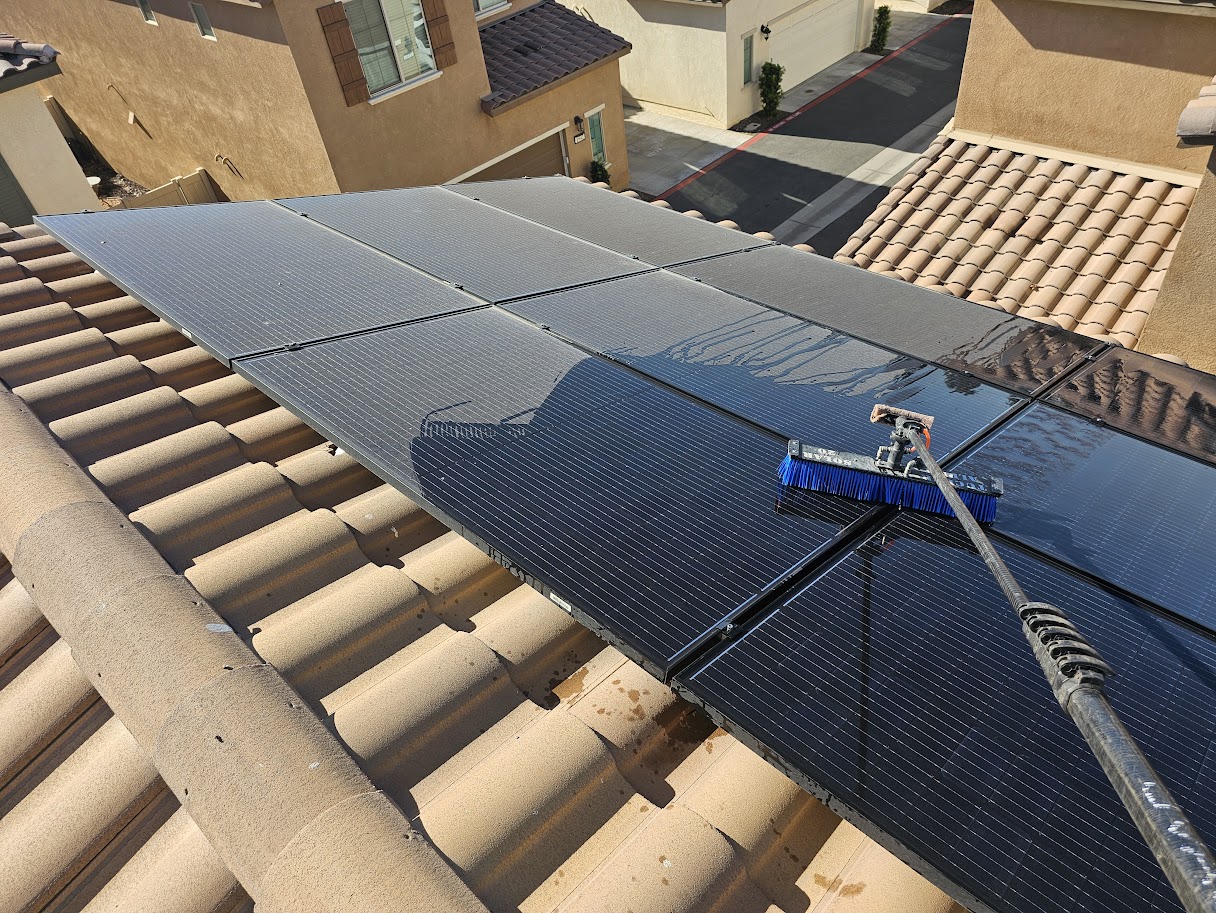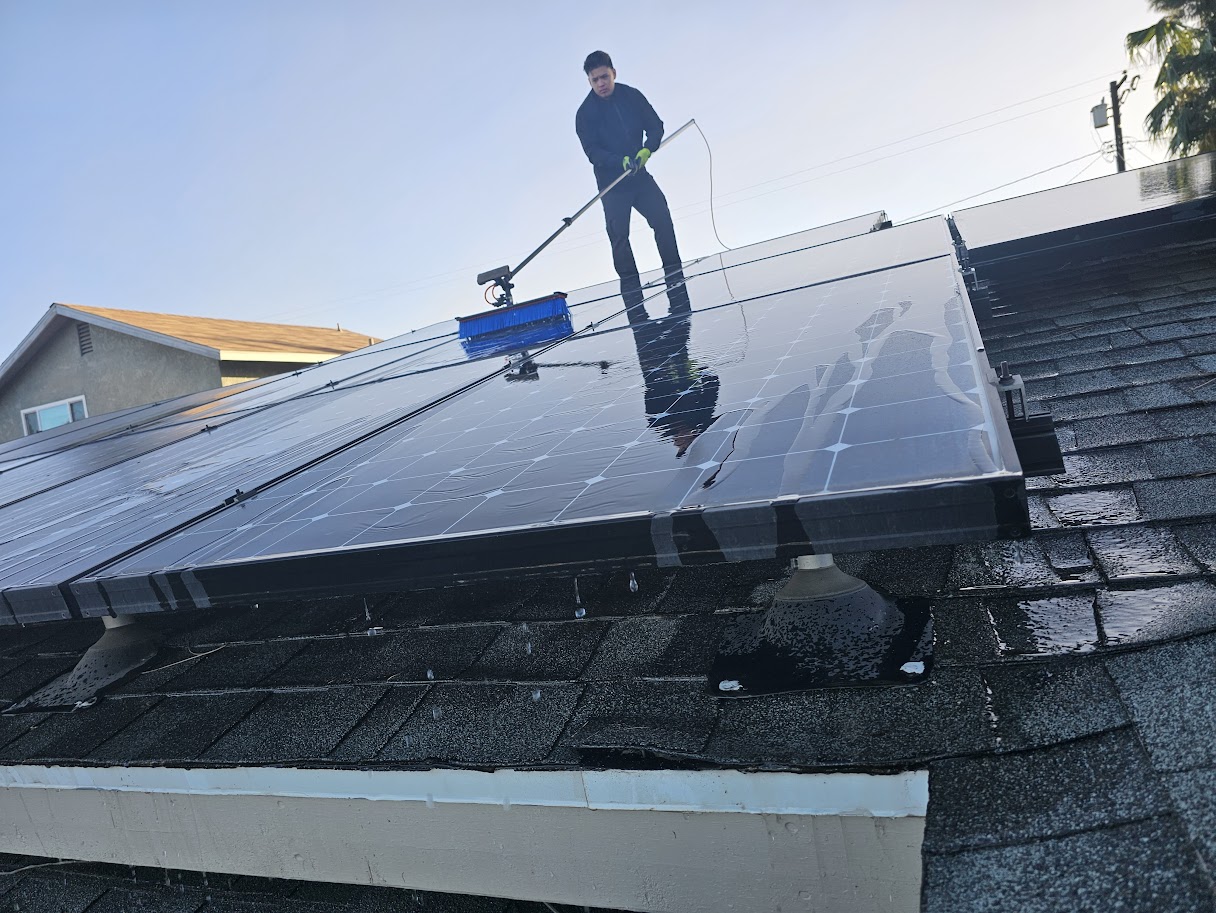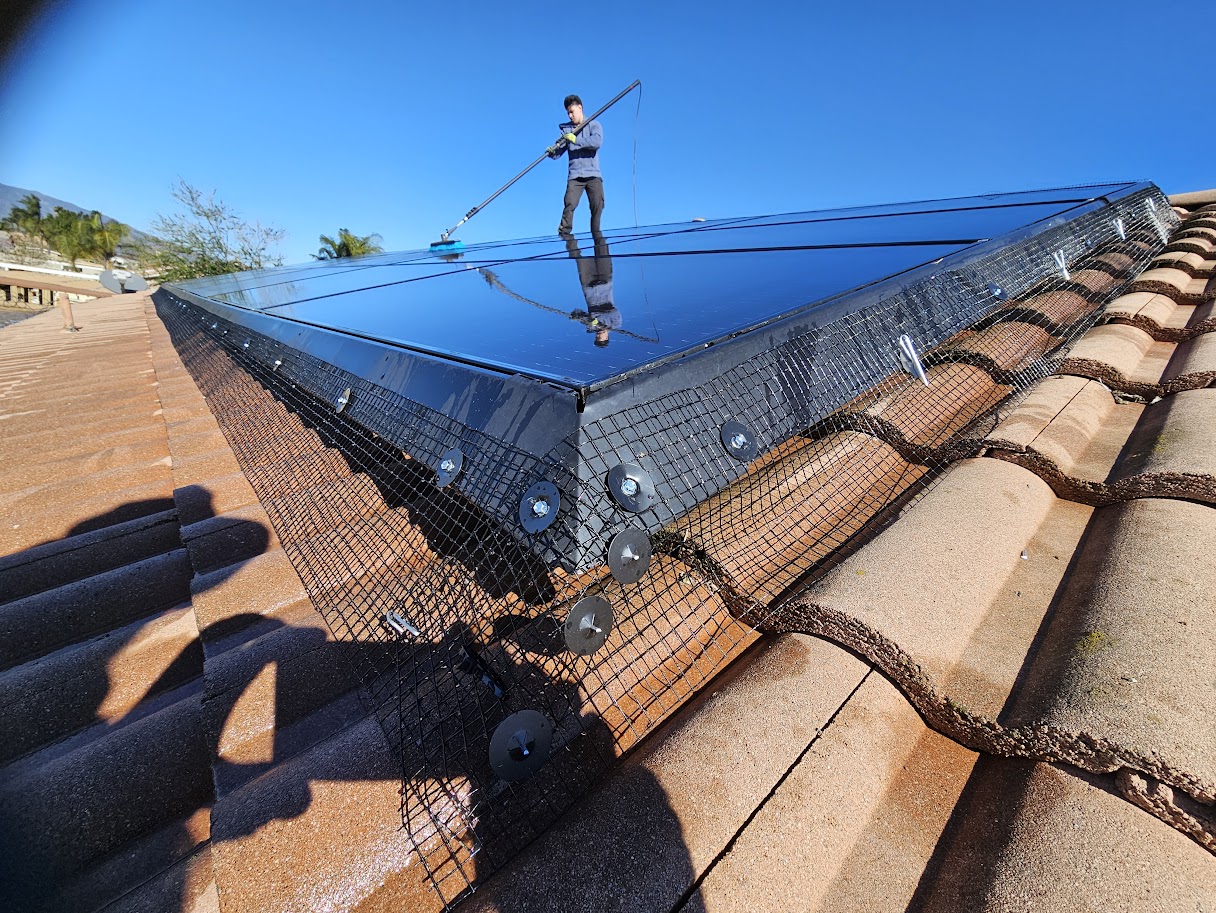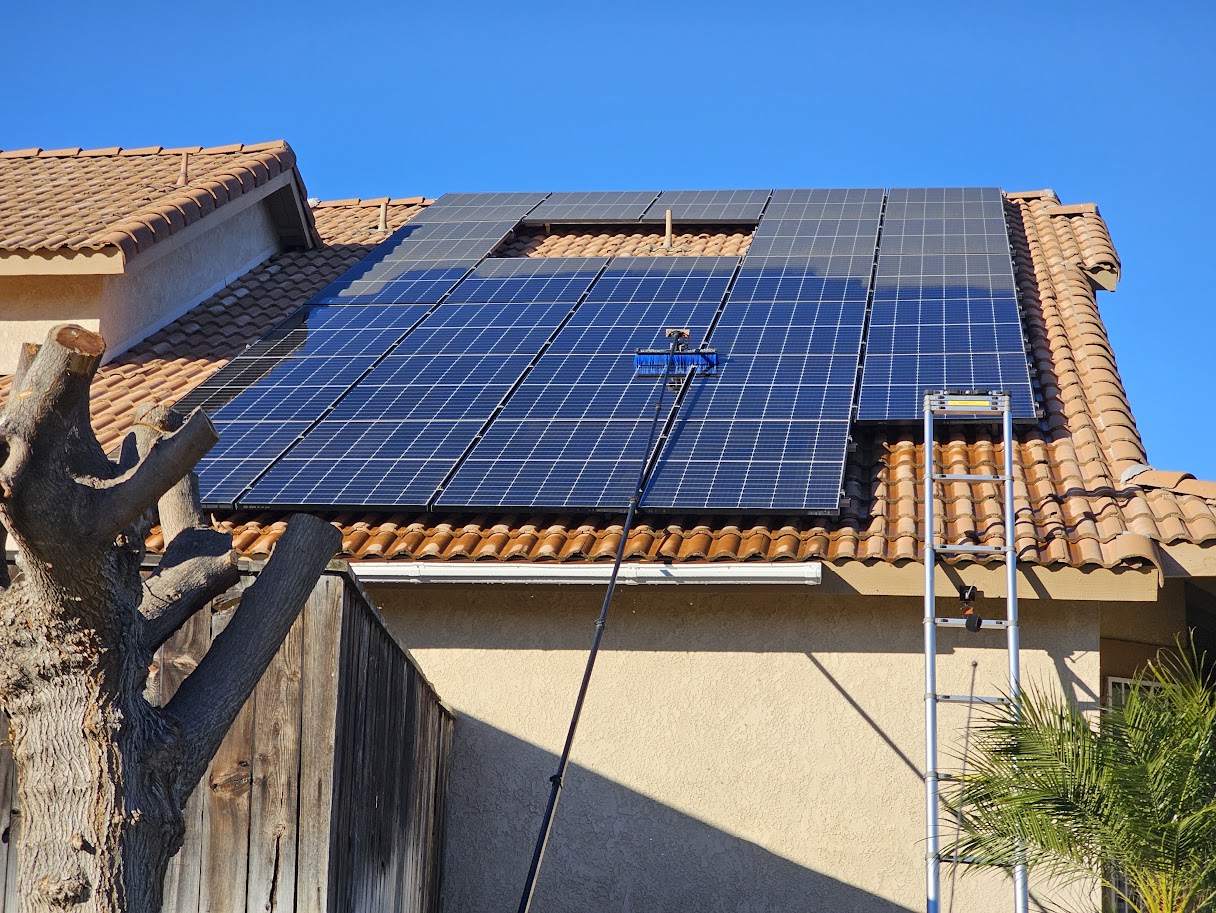

Solar panels are a vital source of renewable energy, but their efficiency can be significantly affected by dirt, dust, and other particles that accumulate on their surfaces. Cleaning these panels regularly can be time-consuming and costly. Interestingly, scientists and engineers have discovered that electrostatic forces play a crucial role in how dust and debris adhere to or repel from solar panels. By understanding these natural phenomena, we can develop better ways to keep solar panels clean and maximize their energy output. This article explores how electrostatic forces contribute to maintaining cleaner solar panels and improve their overall performance.
Electrostatic forces play a fascinating and practical role in the maintenance of solar panels. By understanding how these invisible forces influence dust adhesion, engineers can develop innovative coatings and systems that keep solar surfaces cleaner and more efficient. As research progresses, we can look forward to solar panels that are smarter, more sustainable, and less dependent on manual cleaning, helping us harness renewable energy more effectively and economically.
Understanding Electrostatic Forces and Their Role in Solar Panel Maintenance
Electrostatic forces are invisible attractions or repulsions between charged particles or surfaces. When it comes to solar panels, these forces originate from the electrical charges that accumulate on the surfaces due to environmental factors like sunlight, wind, and temperature changes. Solar panels are often manufactured with a special coating or design features that influence their electrostatic charge, often making the surface either slightly negatively or positively charged. This charge can attract dust and dirt particles from the air, causing them to stick to the panel surface. Conversely, some modern designs aim to create a surface that naturally repels charged dust particles, reducing the need for frequent cleaning. The concept of electrostatic maintenance has gained attention because it offers a passive way to keep solar panels cleaner without mechanical cleaning systems or chemical washes. When a solar panel’s surface holds an electrostatic charge, it can attract dust particles that are similarly charged, which then become attached to the surface. This process resembles static cling, where dust particles stick to clothes or other surfaces due to static electricity. By controlling or manipulating these charges, engineers can influence how much dust adheres to the panel, either encouraging it to stay put or encouraging it to fall away more easily. This understanding opens the door to designing solar panels that leverage electrostatic forces to minimize dirt buildup. Furthermore, environmental factors also influence electrostatic effects. For example, the presence of dry, windy conditions tends to increase static electricity on surfaces, sometimes leading to more dust accumulation. Conversely, moisture from humidity or dew can help neutralize static charges, making dust less likely to cling. Researchers are exploring ways to optimize the electrostatic properties of solar panels by applying special coatings that either enhance the repulsive charge or dissipate static buildup altogether. This knowledge helps in developing innovative maintenance strategies, making solar panels more resistant to dirt accumulation and reducing the need for manual cleaning.How Electrostatic Dust Adhesion Enhances Solar Panel Efficiency
Electrostatic dust adhesion can be both a challenge and a benefit for solar panel efficiency, depending on how it is managed. In cases where dust particles are strongly attracted and stick to the surface due to electrostatic charges, there can be a decrease in the amount of sunlight reaching the photovoltaic cells underneath. This reduction in light absorption directly diminishes the energy output of the solar panels. However, recent advancements focus on designing surfaces that prevent dust from sticking or that facilitate easy removal, thus maintaining high efficiency levels. One innovative approach involves applying anti-static or self-cleaning coatings to solar panels. These coatings are designed to either neutralize the electrostatic charges or create a surface that repels dust particles. When these coatings are used, dust particles cannot adhere as easily and are more likely to be blown away by wind or washed off by rain. This passive cleaning process, driven by electrostatic principles, keeps the panels cleaner for longer periods, ensuring they operate at optimum efficiency. As a result, energy production remains consistent, and the costs associated with manual cleaning are significantly reduced. Additionally, understanding electrostatic forces paves the way for developing smart solar panel systems that monitor and adjust their surface charge dynamically. Such systems could use sensors to detect the level of dust accumulation and then modify the electrostatic charge accordingly to facilitate self-cleaning. This proactive approach leverages the natural electrostatic phenomena to maintain clean surfaces without human intervention. Overall, harnessing electrostatic dust adhesion helps enhance solar panel longevity, reduces maintenance costs, and ensures maximum energy efficiency in diverse environmental conditions.Electrostatic forces play a fascinating and practical role in the maintenance of solar panels. By understanding how these invisible forces influence dust adhesion, engineers can develop innovative coatings and systems that keep solar surfaces cleaner and more efficient. As research progresses, we can look forward to solar panels that are smarter, more sustainable, and less dependent on manual cleaning, helping us harness renewable energy more effectively and economically.