Switching to solar energy is an excellent way to reduce your carbon footprint and save on energy costs. However, fitting solar panels involves more than just mounting them on your roof. It requires careful planning, understanding regulations, and proper installation to ensure efficiency and safety. This guide will walk you through the essential steps to help you set up your solar panel system effectively.
Assessing Your Roof’s Suitability for Solar Panel Installation
Before diving into the installation process, it’s crucial to evaluate whether your roof is suitable for solar panels. The ideal roof should have a sufficient area that receives ample sunlight throughout the day, ideally without significant shading from trees or nearby buildings. The angle and orientation of your roof also play a vital role; south-facing roofs in the northern hemisphere generally maximize sunlight exposure, while east or west-facing roofs can still work well with proper planning.
Additionally, you should check the structural integrity of your roof to ensure it can support the weight of the panels. If your roof is aging or in poor condition, consider repairing or replacing it beforehand. Inspect for any obstructions like chimneys or vents that could interfere with panel placement. Conducting a professional assessment can help determine the best locations for installation and ensure your roof can handle the system’s demands.
Planning Your Solar Panel System: Size, Placement, and Orientation
Planning your solar panel setup involves determining the right size and placement to meet your energy needs. First, analyze your household’s energy consumption to estimate the number of panels required. This will influence the overall system size, which should be proportional to your roof space and budget. Consider how much sunlight your panels will receive based on your geographic location and seasonal variations.
Placement and orientation are equally important. Position your panels to maximize exposure to sunlight, ideally facing south in the northern hemisphere. Mount them at an angle that captures the most sunlight throughout the year, often matching your roof’s pitch. Be mindful of potential shading from nearby objects—shadows can significantly reduce panel efficiency. Using tools like solar pathfinders or online shading analysis apps can help you optimize placement for peak performance.
Gathering Necessary Permits and Understanding Local Regulations
Before installation, it’s essential to research and obtain the required permits, which vary depending on your location. Many regions require building permits, electrical permits, or special approvals for solar panel systems. Consulting your local building authority or a professional installer can clarify the necessary paperwork and ensure compliance with safety codes.
Understanding local regulations and incentives can also influence your installation process. Some areas offer tax credits, rebates, or net metering programs that can make solar energy more affordable. Additionally, zoning laws or homeowner association rules might impose restrictions on panel placement or appearance. Being well-informed beforehand helps avoid delays, fines, or legal issues, and ensures your system meets all safety and compliance standards.
Properly Installing Solar Panels: Step-by-Step Guidance
Proper installation is key to the safety and efficiency of your solar system. Start by securely mounting the racking system onto your roof, making sure it’s level and firmly attached to withstand weather conditions. Follow manufacturer instructions carefully, ensuring all brackets and bolts are tightened appropriately. Connecting the panels to the racking system should be done with waterproof connectors to prevent any water ingress.
Next, connect the panels to the inverter, which converts the generated DC power into usable AC electricity. This process involves careful wiring, so it’s advisable to hire a licensed electrician or a professional installer to handle electrical connections. Once installed, conduct a thorough inspection to verify all components are secure and functioning correctly. Finally, test the system to ensure it’s producing electricity, and verify that safety devices like circuit breakers and grounding are properly installed.
Maintaining and Monitoring Your Solar Panel System for Peak Performance
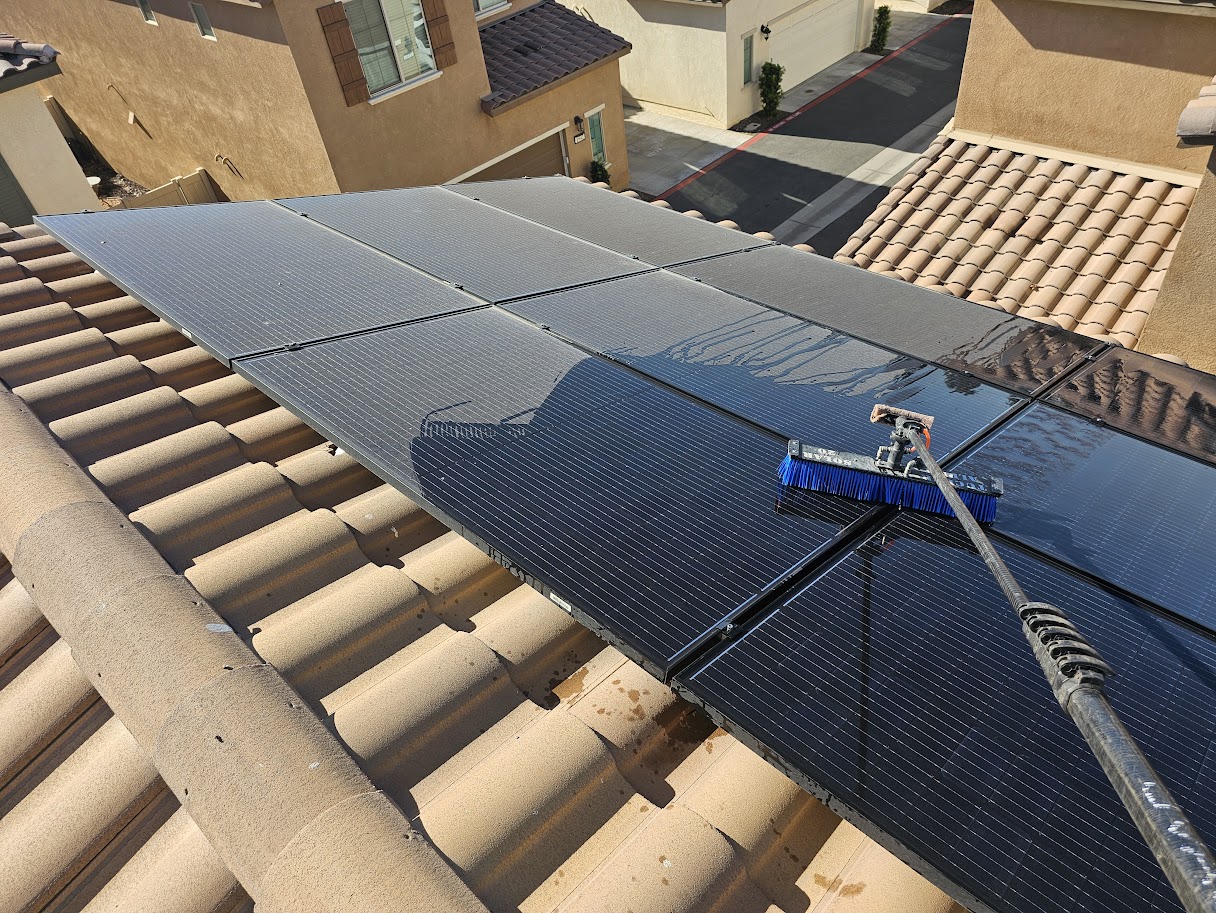
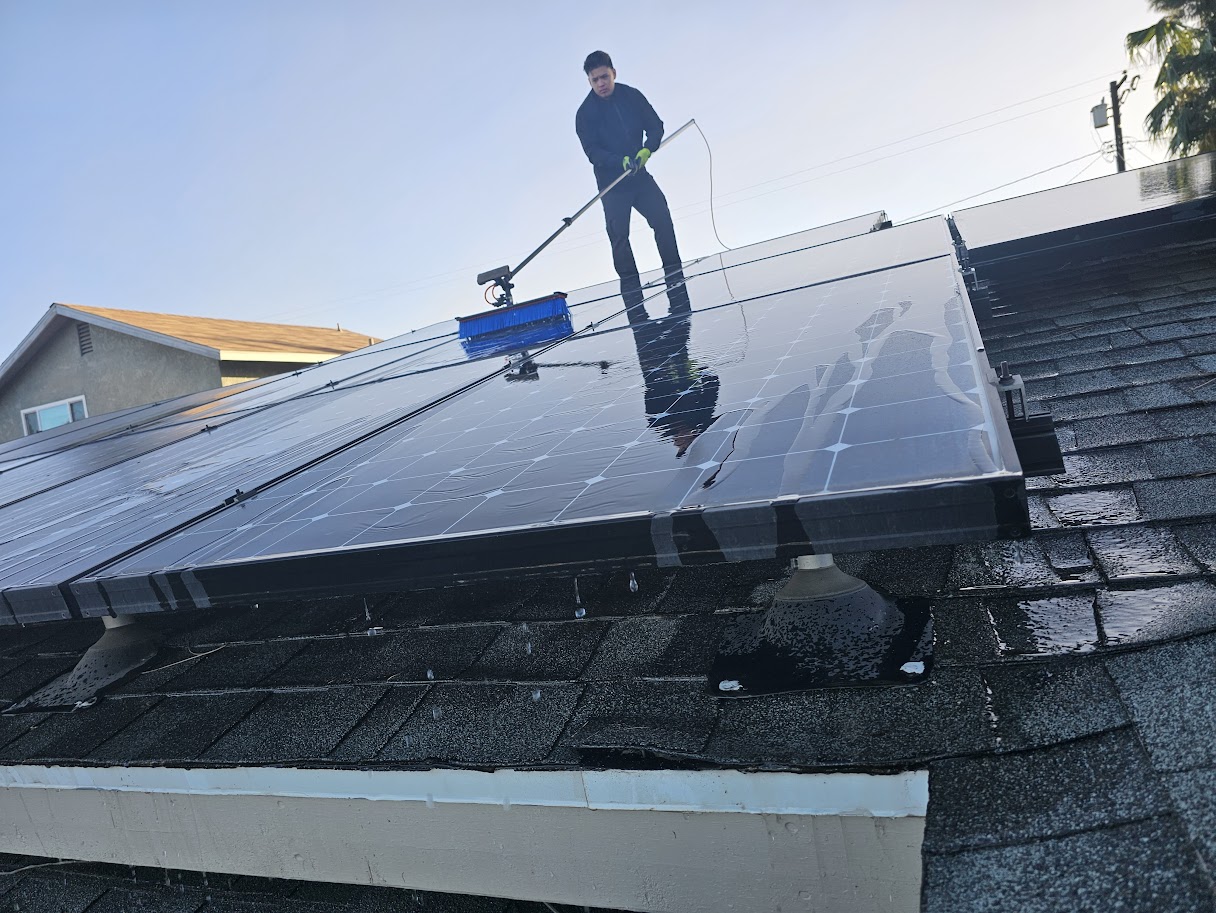
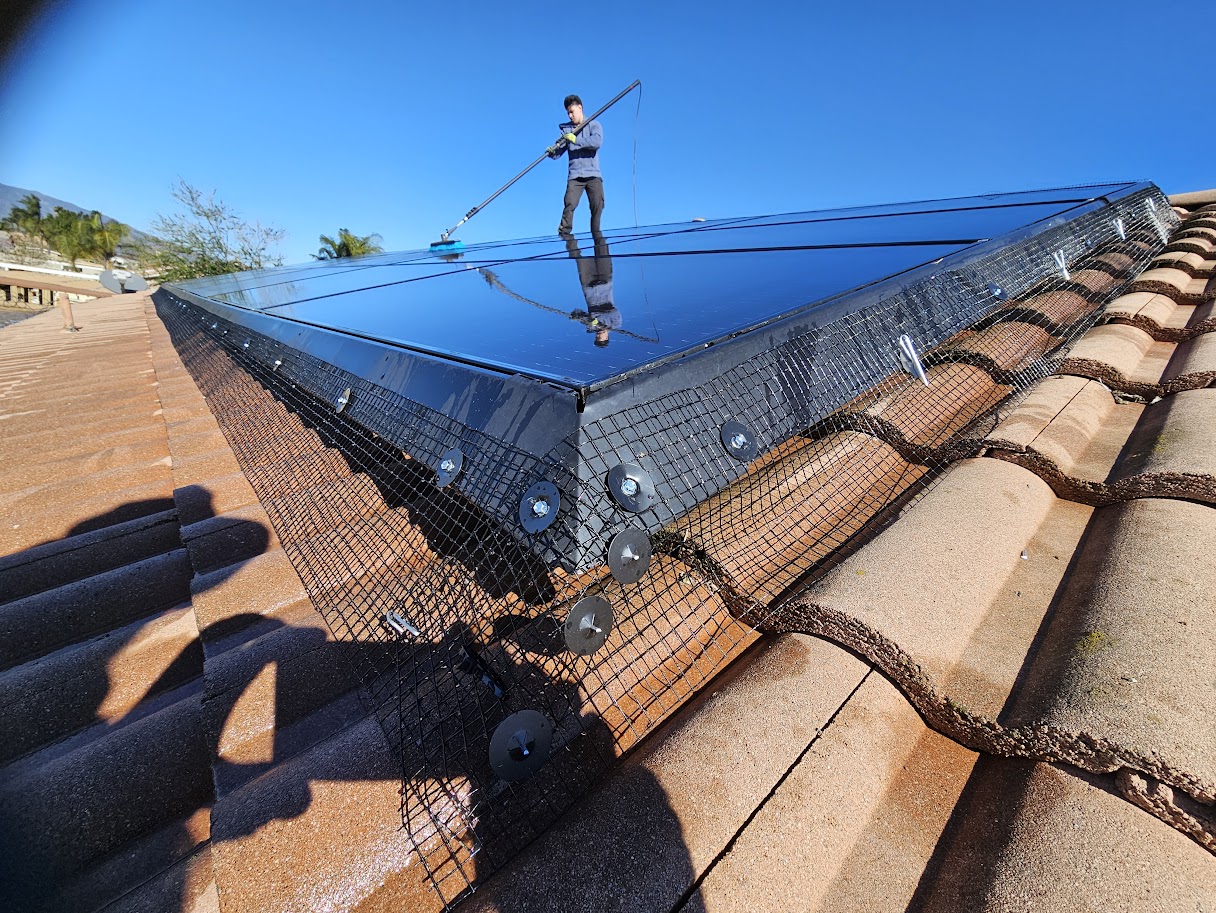
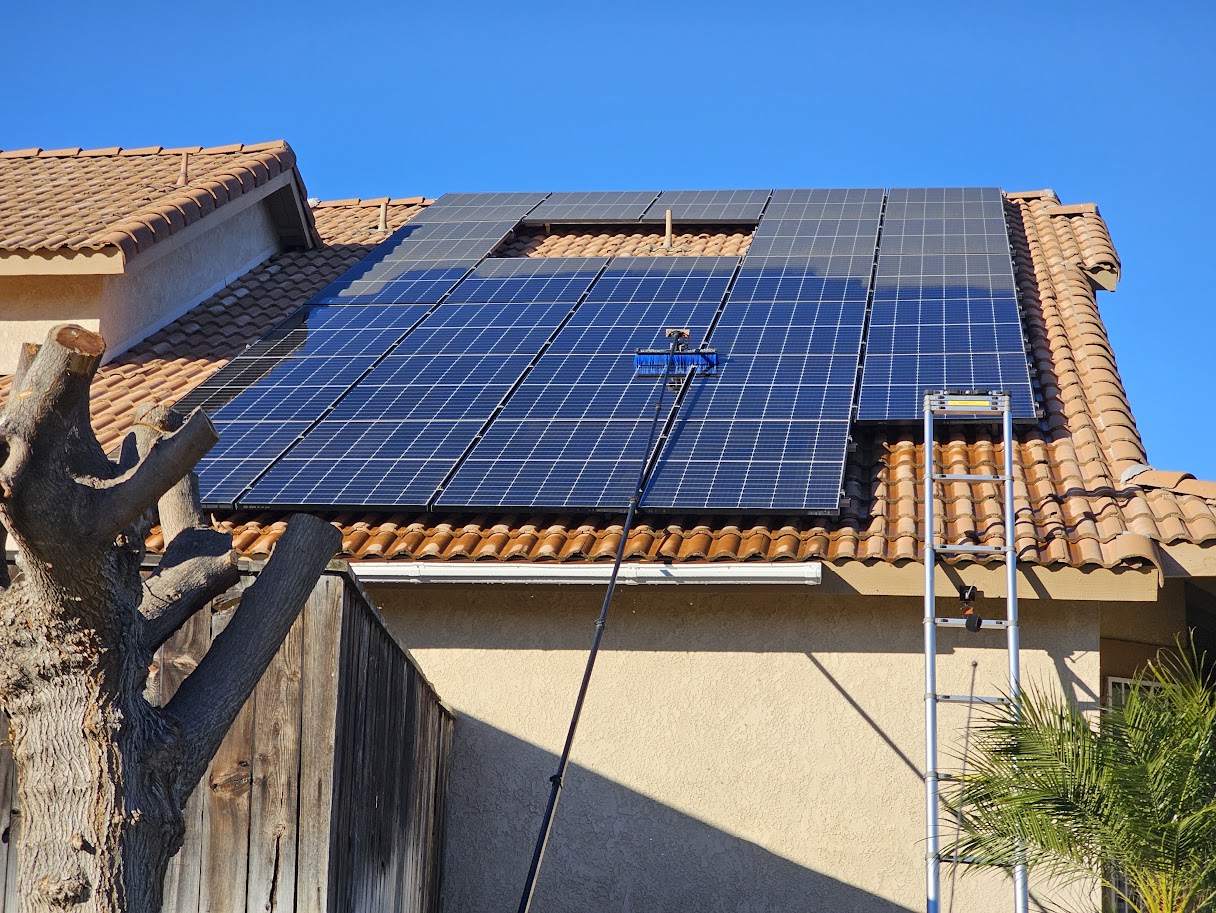
Regular maintenance and monitoring are essential to keep your solar panels operating efficiently over their lifespan. Keep the panels clean by gently rinsing off dirt, leaves, or debris with water—dirt buildup can reduce efficiency. Inspect your system periodically for signs of damage, loose connections, or shading from new growth or nearby structures.
Many modern systems come with monitoring software that provides real-time data on energy production. Use this information to identify performance issues early on. Schedule annual professional inspections to check for electrical or structural problems, and ensure your inverter and other components are functioning optimally. Proper upkeep not only prolongs the life of your solar panels but also maximizes your investment by ensuring you generate the maximum possible renewable energy.