Most business owners who invest in commercial solar panel cleaning schedules do so because they’ve already felt the cost of not having one. Output dips, energy bills creep back up, and the system that was supposed to reduce operating expenses starts to feel like it’s underdelivering.
The issue almost always traces back to the same place, accumulated surface contamination on panels that haven’t been maintained at the frequency a commercial installation actually requires.
This article is for businesses running large solar arrays and wondering whether a structured cleaning schedule is genuinely worth the investment, or just an added line item.
Scale Changes Everything for Commercial Systems
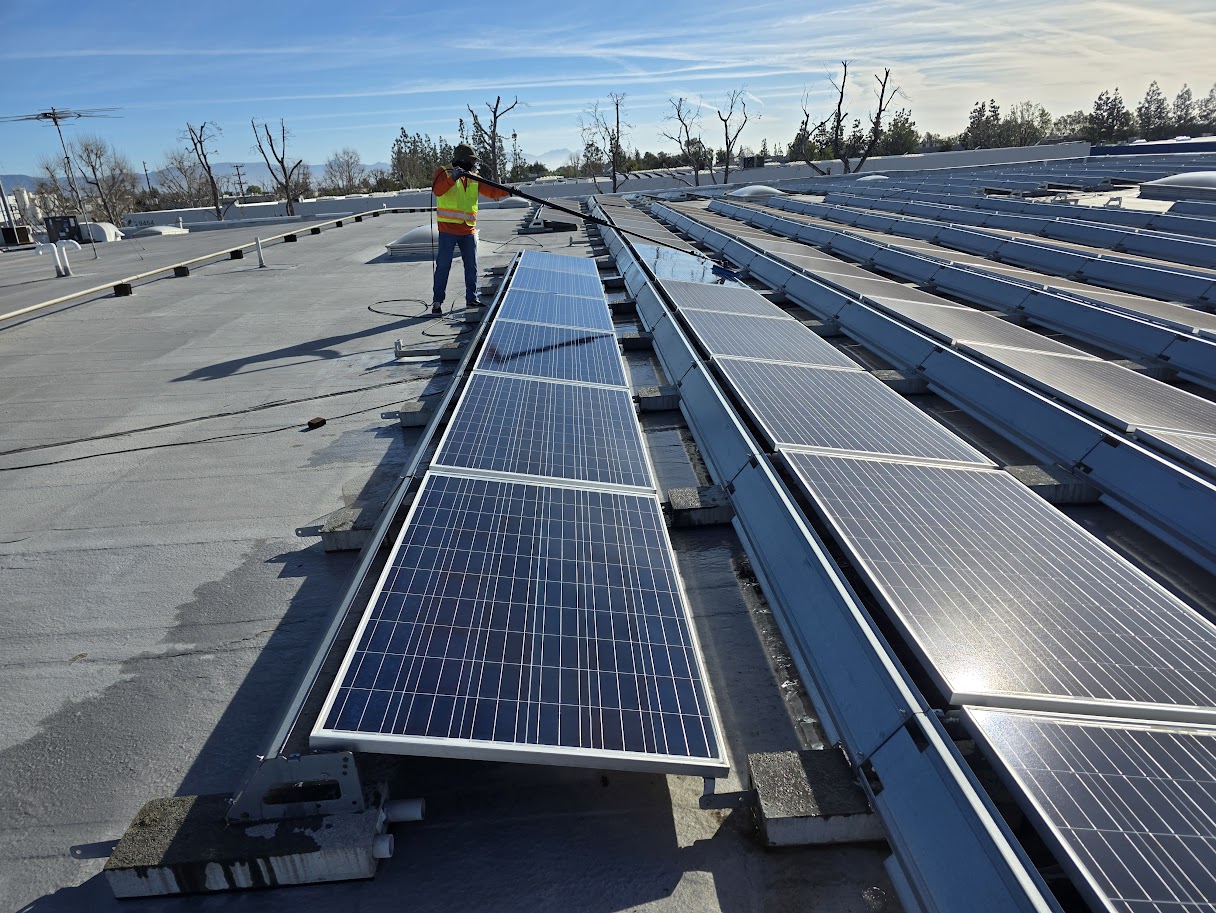
A residential solar setup might carry ten to twenty panels. A commercial installation on a warehouse, office building, or industrial facility can run into the hundreds. That difference in scale changes the maintenance equation significantly.
With more panels come larger surface areas exposed to dust, pollen, exhaust particulates, and bird activity. The contamination doesn’t need to be dramatic to cause real output loss. A thin layer of grime spread evenly across hundreds of panels creates a sustained drag on your entire system’s performance.
When even one panel in a string underperforms due to soiling, the output of the whole string is pulled down with it.
Commercial arrays are also more likely to be mounted on flat or low-tilt rooftops, which are common on commercial buildings. Panels at lower tilt angles don’t shed debris naturally the way steeply angled residential panels sometimes do. Dust and particulates settle and stay.
Without regular commercial solar panel cleaning, that layer just compounds over time, and the output loss compounds with it. Understanding how specific regular cleaning services factor into maximizing energy production gives any business owner a clearer picture of what’s at stake.
What Soiling Actually Costs a Business
For a commercial system, energy losses from dirty panels aren’t measured in a few dollars a month. They’re measured across thousands of kilowatt-hours over the course of a year.
If your system is running at 85 percent of its rated output because of surface contamination, you’re paying the difference through higher grid energy purchases, reduced credits, or simply burning through solar capacity you’ve already paid to install.
There’s also a contract and compliance dimension that residential owners rarely deal with. Businesses with power purchase agreements or utility incentives tied to performance thresholds need their systems to meet specific benchmarks.
A poorly maintained array that consistently underperforms against those benchmarks creates financial and legal exposure that a structured commercial solar panel cleaning schedule prevents entirely.
Commercial solar panel cleaning also keeps warranty conditions intact. Most panel manufacturers specify that maintenance must be performed to a reasonable standard. On a large commercial system, voiding a panel warranty on even a portion of the array could mean significant out-of-pocket repair or replacement costs down the line.
Why Commercial Cleaning Requires a Different Approach
Cleaning a residential array and cleaning a commercial installation are not the same job. The equipment, the logistics, the safety requirements, and the time involved are all different. Commercial rooftops often require specialized access equipment, and working around HVAC units, skylights, and electrical infrastructure demands experience and planning.
The cleaning methods themselves also need to be appropriate for scale. Purified or deionized water systems are standard in professional commercial solar panel cleaning because they leave no mineral residue on the glass, which matters when you’re covering hundreds of panels and want consistent results across the full array.
Using tap water at commercial scale just deposits mineral traces across every panel surface, which creates its own layer of contamination over time.
Technicians working commercial jobs also need to know how to identify issues beyond surface dirt. Cracked cells, loose connectors, and degraded framing are easier to spot during a professional cleaning visit than at any other time.
Catching those problems early on a commercial scale prevents small faults from cascading into larger system failures. A look at what a proper cleaning process involves at a professional level helps businesses set accurate expectations for what a service visit should cover.
Scheduling and Frequency for Commercial Properties
How often commercial solar panel cleaning should happen depends on site-specific factors more than any fixed rule. A logistics facility near a busy freeway will accumulate surface contamination faster than a rooftop array above a suburban office. Agricultural proximity, local industry, and prevailing wind patterns all play into how quickly your panels get dirty.
That said, most commercial systems in California benefit from cleaning at least two to four times per year. Some high-exposure sites need more. The most reliable approach is to monitor your output data consistently.
When production on clear days starts trending below your baseline, that’s your signal. Waiting for the dip to become severe just extends the period of financial loss.
Building your commercial solar panel cleaning schedule around your operational calendar also makes sense from a logistics standpoint. Arranging visits during low-activity periods or planned maintenance windows minimizes disruption to your business.
A reliable service provider will work with your facility manager to set a schedule that fits your operations rather than interrupting them.
Skipping maintenance because things seem fine is one of the most common errors businesses make with their solar systems. The broader pattern of maintenance mistakes that Southern California solar owners fall into is worth reviewing before assuming your system doesn’t need attention.

What to Expect from a Professional Service
A proper commercial solar panel cleaning visit starts with a thorough site assessment, not just a crew showing up with equipment. The technician should review the array layout, note any existing damage or issues, identify areas of heavy soiling, and plan the safest and most efficient route across the installation before any cleaning begins.
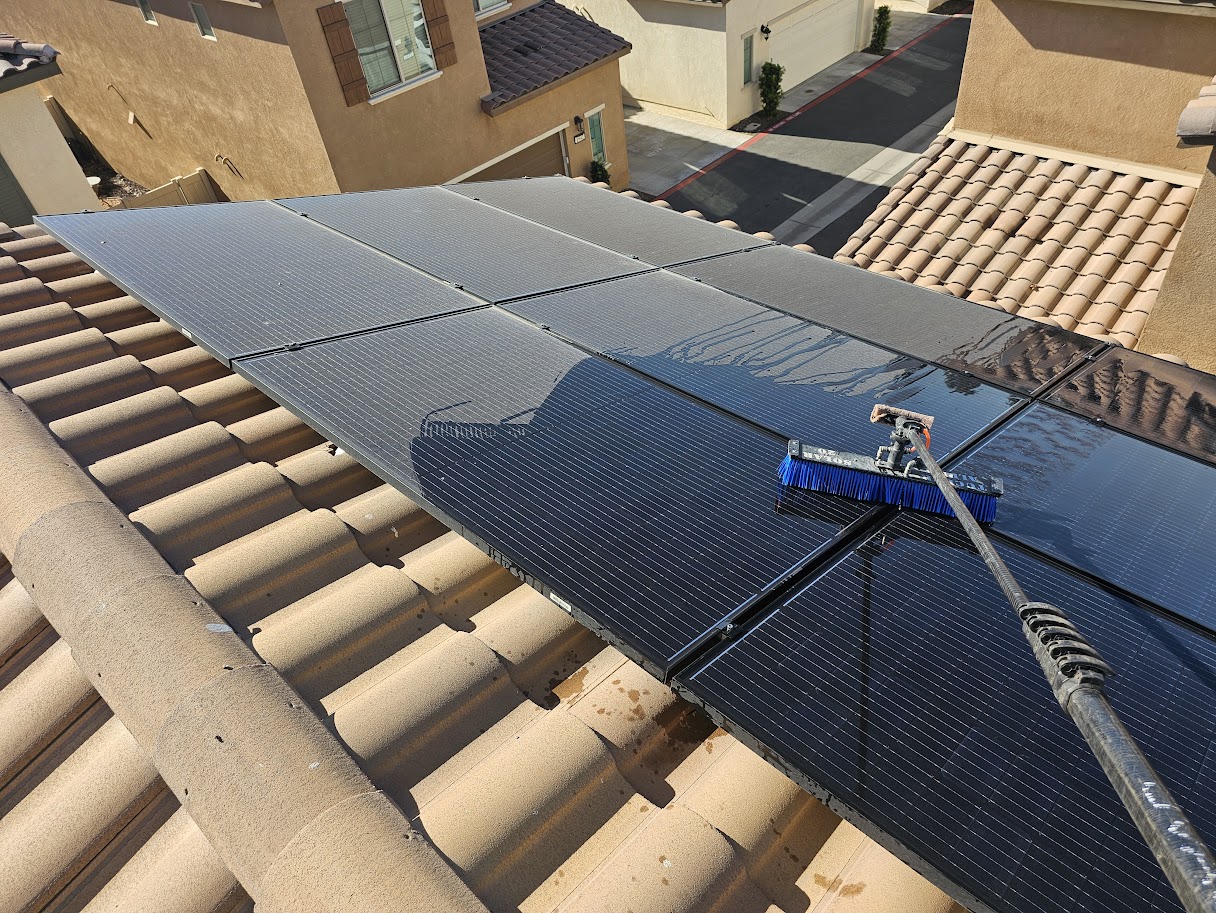
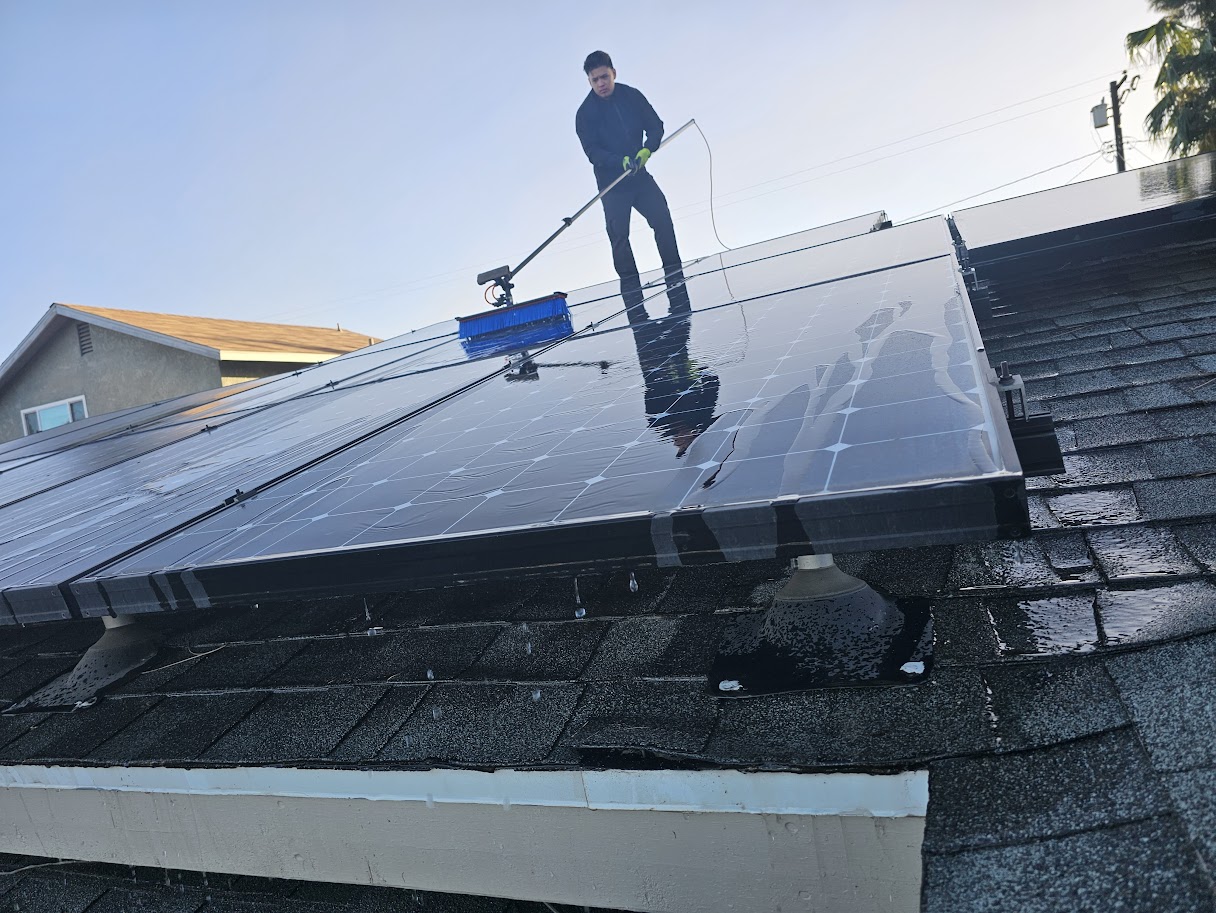
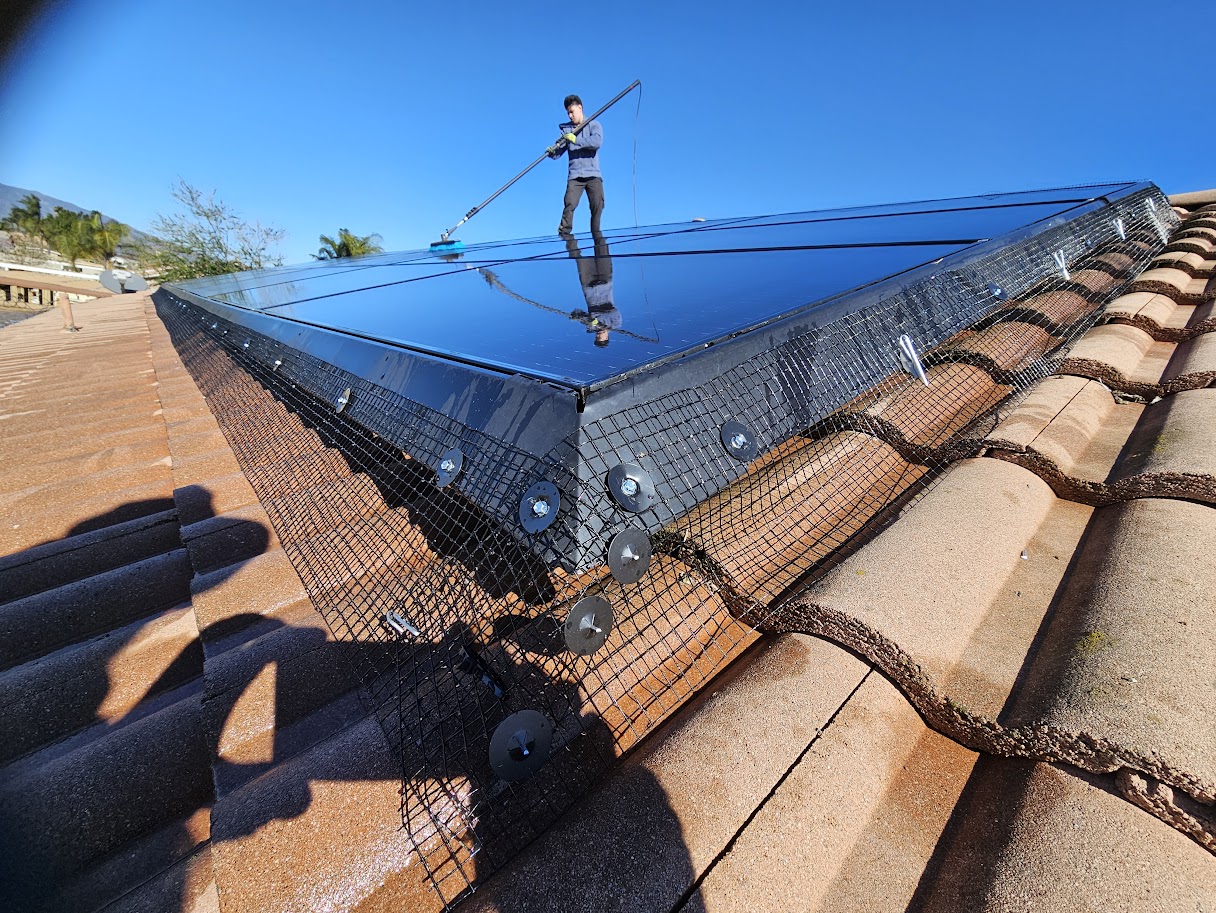
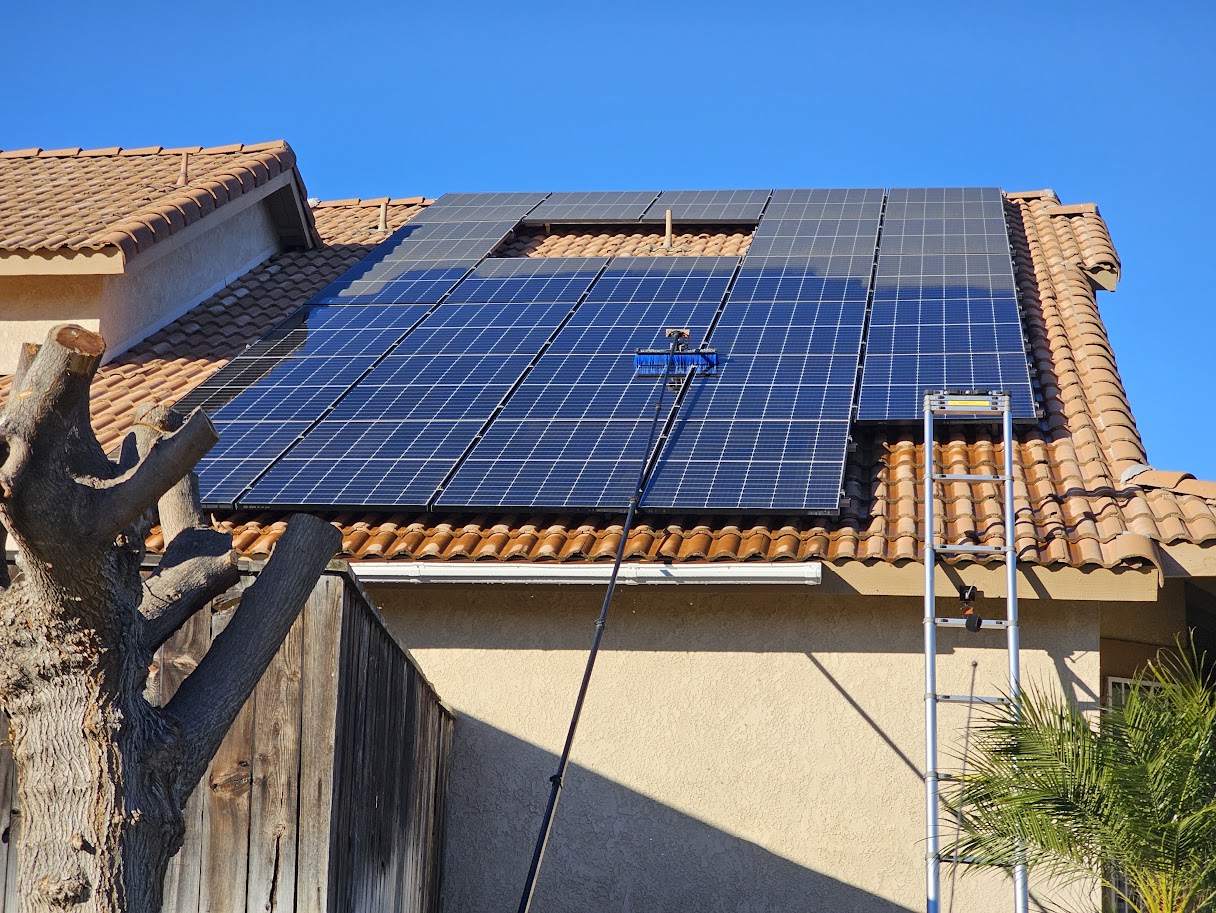
The actual cleaning uses soft brush systems and purified water to remove surface contamination without scratching the anti-reflective coating on the glass. Every panel is rinsed and dried in a consistent sequence so that no area is missed and no residue is left behind.
On completion, a professional team documents what was done and flags anything that warrants follow-up attention.
Businesses should also know that cleaning alone isn’t always the full picture. Sometimes a commercial system needs servicing that goes beyond surface work. Understanding the role of panel servicing alongside regular cleaning helps businesses build a maintenance plan that actually covers everything the system needs to hold its performance over time.
Affordable Solar Cleaning Pros provides commercial solar panel cleaning for business properties across Southern California, with scheduling flexibility designed to fit around commercial operations rather than disrupt them.
Frequently Asked Questions (FAQs)
1. How Is Commercial Solar Panel Cleaning Different from Residential Cleaning?
Commercial solar panel cleaning involves larger arrays, specialized access equipment for flat or large rooftops, and more complex logistics. The cleaning methods are the same in principle, using purified water and soft brush systems, but the scale and planning involved are substantially different.
Commercial jobs also typically include more thorough documentation and system checks given the financial stakes of a large installation.
2. How Often Should a Commercial Solar System Be Cleaned?
Most commercial systems in California need professional cleaning two to four times per year, though the right frequency depends on your specific site conditions.
Properties near highways, agricultural land, or industrial facilities accumulate contamination faster and may need more frequent attention. Monitoring your output data regularly is the most reliable way to determine when your system needs a visit.
3. Can Dirty Panels Affect a Power Purchase Agreement or Incentive Program?
Yes. If your commercial solar system is tied to a performance-based agreement or utility incentive, consistent underperformance due to soiling can create compliance issues.
Maintaining a documented commercial solar panel cleaning schedule demonstrates that you’re meeting reasonable maintenance standards, which protects your position under those agreements and supports any warranty or performance claims you may need to make.
4. What Happens If Commercial Solar Panel Cleaning Is Delayed for a Long Time?
Extended delays allow contamination to harden on the panel surface, which requires more intensive cleaning to remove. Bird droppings baked by sun exposure, mineral deposits from moisture, and compacted dust can all cause micro-scratches or etching if left long enough, leading to permanent surface degradation.
The longer cleaning is deferred, the more output has already been lost and the harder it is to fully restore the panels to peak performance.
5. Is There Anything Businesses Should Do Between Professional Cleaning Visits?
The most valuable step is monitoring your energy output data consistently. Unexpected dips in production on clear, sunny days almost always signal that surface contamination is building up.
A visual check from a safe ground-level vantage point can help catch obvious issues, but anything beyond that should be left to a professional given the safety and technical risks of commercial rooftop systems.