
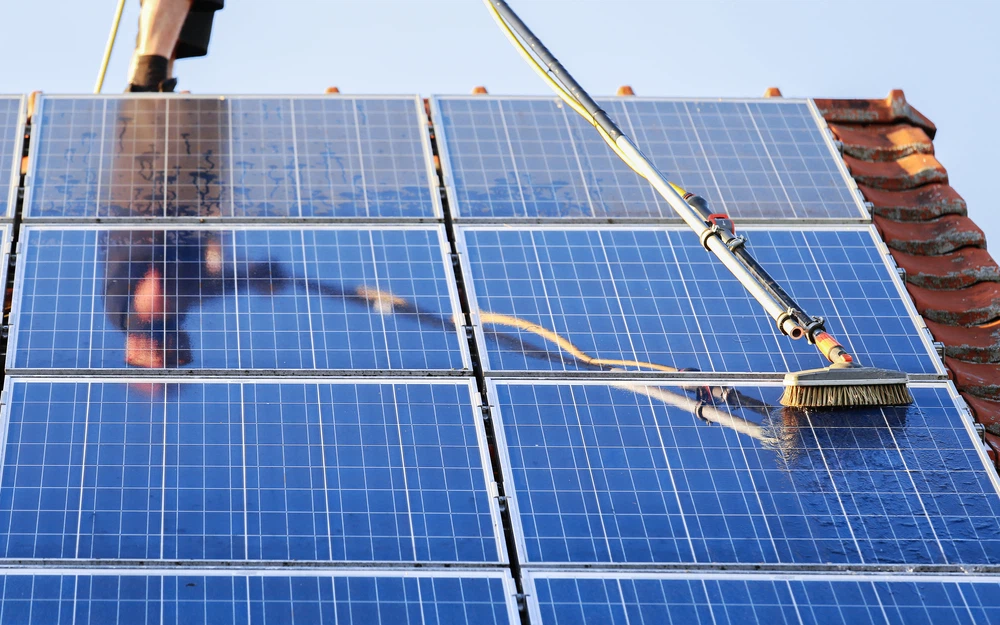
Solar panels are a popular renewable energy solution that can significantly reduce electricity bills and carbon footprints. However, their efficiency depends heavily on their cleanliness; dirt, dust, and debris can block sunlight and reduce power output. Many solar panel owners wonder whether rain naturally helps keep their panels clean and if relying on rainy weather is enough to maintain optimal performance. This article explores how rain impacts solar panel cleanliness and offers guidance on maintaining efficiency in rainy climates.
How Rain Impacts Solar Panel Dirt and Dust Accumulation
Rain can play a beneficial role in reducing dirt and dust buildup on solar panels. When it rains, water can wash away loose dirt, pollen, and dust particles that settle on the surface, temporarily improving the panels’ ability to absorb sunlight. In areas with frequent rainfall, this natural cleaning process can help maintain a certain level of efficiency without manual cleaning. However, rain is not always enough to remove stubborn grime, especially in dry or dusty environments where particles tend to stick more firmly to the surface.
Despite its cleaning benefits, rain alone may not guarantee spotless panels. Light rain might only wet the surface without sufficient runoff to clear away accumulated debris. Additionally, in regions prone to pollution or with hard water, mineral deposits left behind after rainfall can create a film that diminishes the panels’ effectiveness over time. Therefore, while rain can assist in cleaning, it is not a foolproof method for keeping solar panels consistently clean, especially when dirt and mineral deposits are involved.
The Science Behind Rain Cleaning Solar Panels
The process of rain cleaning solar panels involves the physical removal of dirt and debris through water runoff. When raindrops hit the panel surface, they can lift and carry away loose particles, especially if the panels are inclined at an angle that encourages runoff. The efficiency of this cleaning process depends on the intensity and duration of rainfall; heavier and sustained rain is more effective in removing stubborn grime. The design of the panels, including their tilt angle and surface texture, also influences how well rain can clean them.
On a microscopic level, rainwater can help dissolve certain types of dirt, such as mineral deposits, making it easier for gravity to carry the contaminants away. However, some residues—like pollen, bird droppings, or oily films—are more resistant and may require manual cleaning. Hard water deposits can leave behind a residue known as “limescale,” which can eventually diminish the panels’ ability to transmit sunlight. Overall, rain acts as a natural, ongoing cleaning agent but is often insufficient for deep cleaning or removing persistent substances that diminish solar efficiency over time.
Pros and Cons of Relying on Rain for Panel Maintenance
Relying on rain to clean solar panels offers clear benefits. It reduces the need for manual or mechanical cleaning, saving time, effort, and costs associated with maintenance. In rainy regions, this natural cleaning process can help sustain panel performance without frequent intervention, especially during wetter months. Additionally, rain helps wash away some types of pollutants and dust, contributing to better energy production.
However, there are notable downsides to depending solely on rain for cleaning. Rainwater can leave mineral deposits or streaks that diminish light absorption, especially in areas with hard water. Moreover, rain may not always be sufficient to remove sticky substances like bird droppings, oily residues, or stubborn dirt, which can accumulate over time and impact efficiency. In some cases, neglecting manual cleaning in dry spells or after severe dust storms can lead to prolonged performance drops. Thus, while rain can be helpful, it should not be considered a complete substitute for regular cleaning when maximum efficiency is desired.
Best Practices for Keeping Solar Panels Efficient in Rainy Climates
In rainy climates, maximizing solar panel efficiency involves a combination of leveraging natural rainfall and implementing supplementary maintenance practices. Installing panels at an optimal tilt angle encourages rainwater runoff, helping to clear dirt and debris more effectively. Regular inspections can identify areas where mineral deposits or stubborn grime persist, prompting targeted cleaning when needed. Using water with low mineral content for manual rinsing can also prevent mineral buildup and streaking.
Additionally, choosing high-quality, durable panels with hydrophobic surface coatings can enhance the natural cleaning effect of rain. These coatings help water droplets bead and roll off more easily, carrying away dirt and preventing buildup. In environments prone to heavy dust or pollution, scheduling periodic manual cleaning—especially after long dry spells or storms—can ensure the panels operate at peak efficiency. Combining natural rainfall with proactive maintenance creates a more reliable approach to keeping solar panels clean and productive year-round.
When to Consider Additional Cleaning for Optimal Solar Performance
While rain can assist in maintaining cleanliness, there are situations where manual cleaning becomes necessary to optimize solar panel performance. If panels are heavily soiled with bird droppings, oily residues, or stubborn dust, rain alone may not be sufficient to restore maximum efficiency. After prolonged dry periods with minimal rain, accumulated dirt can form a persistent film that blocks sunlight more effectively than water alone can remove.
It’s also advisable to manually clean panels after severe weather events like storms, hail, or dust storms, which can deposit large amounts of debris. Regular inspections—especially in areas with high pollution or hard water—help identify when cleaning is needed before efficiency drops significantly. Ultimately, combining visual checks with an understanding of local weather patterns allows owners to determine the best times for manual cleaning, ensuring their solar systems operate at their highest potential regardless of the weather.
Rain can indeed help keep solar panels clean by washing away loose dirt and dust, especially in regions with frequent rainfall. However, it is not a universal solution, as stubborn grime, mineral deposits, and pollutants may require manual cleaning for optimal performance. By understanding the science behind rain cleaning and adopting best maintenance practices, solar panel owners can ensure their systems remain efficient and productive, rainy or not. Regular inspections and targeted cleaning, combined with natural rainfall, create a balanced approach to solar panel upkeep in varied weather conditions.